


Pecan Pie Muffins is presented with its verified ingredients and recorded method, plus practical editorial guidance for following those facts accurately. Use the exact quantities, temperatures, and timings from the source rather than making unrecorded changes.
Pecan Pie Muffins Ingredients
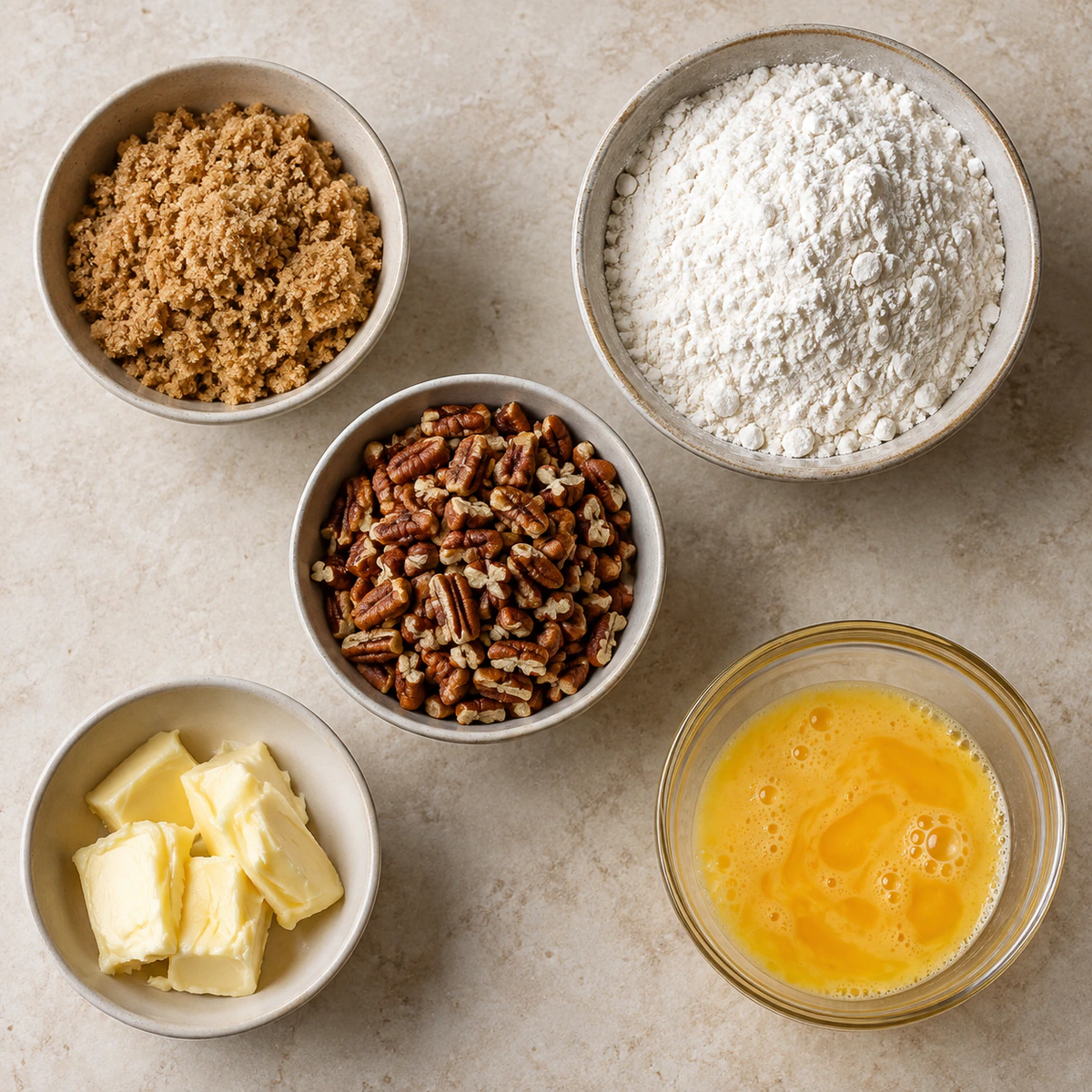
Ingredients: 1 cup packed light brown sugar.; ½ cup all-purpose flour.; 2 cups chopped pecans.; ⅔ cup butter, softened.; 2 eggs, beaten.
If you enjoy this recipe, you may also like Blueberry Cream Cheese Babka.
How to Make Pecan Pie Muffins
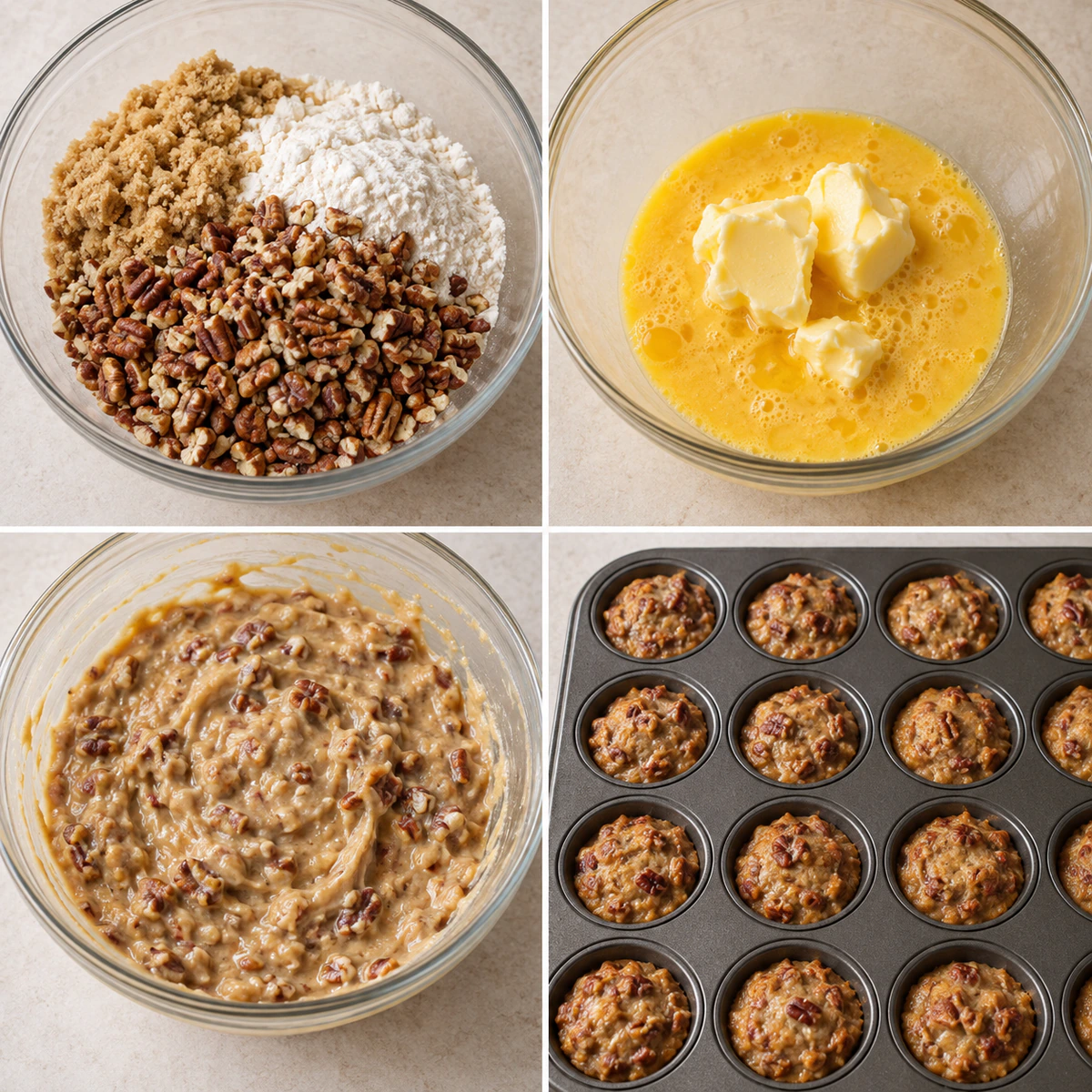
- Preheat: Preheat the oven to 350°F (175°C). Generously grease mini or regular muffin cups.
- Mix Dry Ingredients: In a medium bowl, mix together the brown sugar, flour, and chopped pecans.
- Mix Wet Ingredients: In another bowl, beat together the softened butter and beaten eggs until well combined.
- Combine Ingredients: Stir the dry ingredients into the wet ingredients until just combined. Avoid over-mixing.
- Fill Muffin Cups: Spoon the batter into the muffin cups, filling them about 2/3 full.
- Bake: Bake for 12-13 minutes for mini muffins or 15-17 minutes for regular-sized muffins, until golden brown.
- Release Muffins: Run a knife around the edge of each muffin to release it from the pan.
- Cool And Serve: Let the muffins cool slightly before serving. Enjoy warm for the best flavor!.
For storage details after serving, the USDA leftovers and food safety guidance.
Prepare With the Original Recipe in View
Begin with the complete recorded ingredient list and keep each quantity exactly as written. Arrange ingredients in the order they are used, and confirm the named form of each item before mixing. This simple setup prevents accidental substitutions and keeps the recipe aligned with its verified source.
If you enjoy this recipe, you may also like Doritos-Crusted Pizza Rolls.
Why the Recorded Order Matters
Follow the recorded method as the controlling plan. Each mixing, cooking, resting, chilling, or cooling stage affects the intended texture, so complete the named action before moving on. Do not add ingredients, alter a pan size, or change heat just because another familiar recipe uses a different approach.
Temperature, Timing, and Safe Handling
Treat the written temperature and minutes as a pair. Preheat when directed, cook for the listed time, and use the source cue such as smooth, set, golden, thickened, cooled, or chilled. Keep dairy and eggs properly handled and refrigerate leftovers promptly after serving.
Image and Recipe Integrity
The ingredient and four-panel process photographs are editorial visual aids. They show the measured components and a chronological overview, while the original hero remains untouched at its existing path. The distinct source final image remains the third body image.
A Reliable Finish
Prepare the correct pan, parchment, rack, pot, skillet, or serving vessels before the final stage. Give resting, cooling, and chilling the full recorded time rather than rushing a soft mixture or warm bake. These pauses allow structure to set without changing the documented formula.
Measure and Mix as Written
For dependable results, use appropriate measuring tools and keep optional items optional. A dry cup and level measure suit dry ingredients, while liquid measures keep wet quantities accurate. When the method says fold, use gentle strokes; when it says beat, stop at the stated smooth texture.
Equipment and Visual Cues
Keep the workspace organized from start to finish. Use the stated equipment and avoid changing the recipe merely to match a photograph. The images preserve dish context, but the ingredients and numbered instructions remain the factual authority.
Serving and Storage
After the final step, cool food safely on a heat-safe surface and cover it only after steam has settled. Store leftovers in a clean covered container and return foods containing dairy or eggs to refrigeration promptly.
Check Each Stage Before Moving On
Before beginning the final assembly or baking stage, compare the written method with what is in the bowl, pan, pot, or skillet. Ingredients should be in the form the recipe specifies, and a cooled or chilled component should not be substituted with a warm one.
Keep the Recorded Formula in Control
Work deliberately and avoid small changes that accumulate. Use clean utensils between tasks, scrape the bowl when the method calls for thorough mixing, and leave toppings or optional finishing ingredients separate until their recorded step. The recipe—not a photograph or a guess—determines when to continue. Pause briefly after each major action to compare the bowl, pan, pot, or skillet with the wording of the next instruction. That habit is especially useful when the recipe includes a rest, a refrigeration period, an al dente pasta cue, a simmer, or a cooling period: those details are part of the method rather than optional styling. Keep the stated yield in mind when dividing dough, serving a soup, or portioning a finished bake, but do not alter the listed amounts to make larger portions. If an ingredient is marked optional, it can remain optional; otherwise use it as recorded. Keep a clean spoon for tasting where appropriate, protect raw ingredients from cross-contact, and allow leftovers to cool safely before storing them. These practical checks support the documented result while leaving its formula, flavor, timing, temperature, and sequence intact. Fill each prepared cup only to the recorded two-thirds level before baking.
Recorded Recipe Tips
- These Pecan Pie Muffins offer all the flavors of classic pecan pie in a convenient muffin form, making them perfect for breakfast or a cozy snack.
- For a gooey pecan pie center, slightly under-bake the muffins.

Conclusion
Pecan Pie Muffins makes 12 muffins in 27 recorded minutes. Preserve the listed quantities, temperatures, timings, and method.
Frequently Asked Questions
- → How many servings does Pecan Pie Muffins make?
It makes 12 muffins and serves 12.
- → How long does Pecan Pie Muffins take?
The recipe records 10 minutes of preparation, 17 minutes of cooking, and 27 minutes total.
- → How do I keep Pecan Pie Muffins consistent?
Measure every listed ingredient and follow the original sequence, visual cues, temperature, and timing without adding unrecorded changes.
- → Why preserve the written method?
The verified sequence guides texture, safe handling, and the intended finish while keeping the original formula intact.