
Spaghetti with Garlic Tomato Shrimp

Featured in Tasty Evening Meals.

Cook spaghetti and save pasta water, sear shrimp and set aside, sauté garlic with tomatoes and seasonings, toss pasta in sauce with butter, add shrimp back in and serve hot.
emliy for recipes by clare
Updated on Mon, 15 Dec 2025 22:01:29 GMT
Spaghetti with Garlic Tomato Shrimp Pin it
Spaghetti with Garlic Tomato Shrimp | recipesbyclare.com

Shrimp pasta is one of those dishes that sounds fancy enough to serve at a dinner party but comes together so fast you can make it on a random Tuesday after work. You cook spaghetti, sauté shrimp with garlic until they're pink and perfect, build a quick tomato sauce in the same pan, toss everything together, and somehow end up with restaurant-quality pasta in about twenty minutes. The key is cooking the shrimp quickly so they stay tender instead of turning rubbery, and using some of that starchy pasta water to help the sauce coat every noodle properly. I started making this when my husband came home raving about shrimp pasta he'd had at lunch and asking if I could recreate it for dinner. I threw together what I had in the kitchen, and when he tasted it he claimed mine was better than the restaurant version. I'm still not sure if he was being honest or just smart, but either way this became a regular in our dinner rotation and saved us from spending thirty dollars on takeout pasta every time we're craving seafood.

My friend Nicole refuses to cook seafood at home because she's convinced it's too difficult and she'll mess it up. She came over for dinner when I made this, watched me throw it together in twenty minutes, and got genuinely annoyed that I'd let her believe shrimp was complicated when it's apparently this easy. Now she makes this every week and has stopped ordering expensive seafood pasta from restaurants, which her husband appreciates since their dining-out budget has dropped significantly. She tells everyone she's become this great seafood cook, conveniently leaving out the part where she's only successfully made this one shrimp dish on repeat.

What Goes Into It

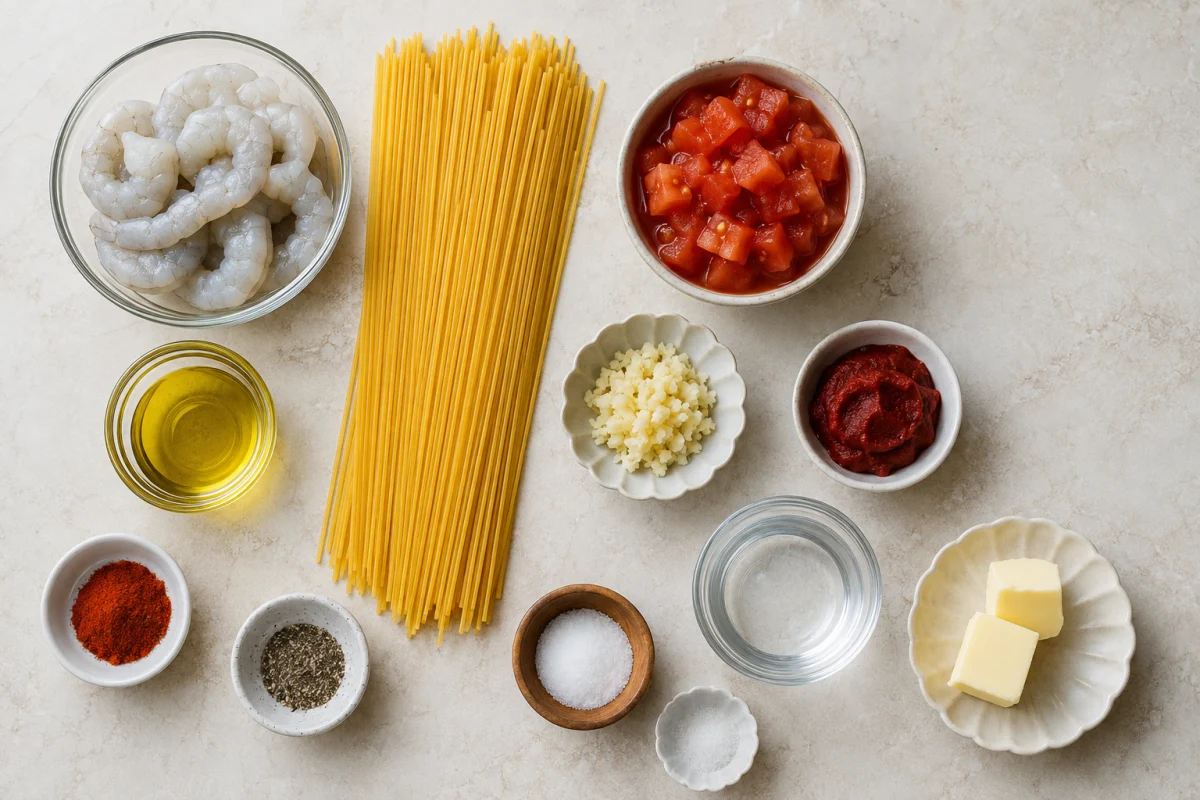
  • Spaghetti: 250 grams is about half a pound, feeding two to three people generously depending on appetites and whether you're serving anything else alongside.
  • Salt for pasta water: Enough to make the water taste like the ocean, which seasons the pasta from the inside out instead of adding salt later when it just sits on the surface.
  • Shrimp: 300 grams of peeled and deveined shrimp saves you time and mess, letting you focus on cooking instead of removing shells and that gross vein down the back.
  • Olive oil: Two tablespoons provide the base for sautéing everything, adding their own subtle fruity flavor that complements seafood beautifully.
  • Garlic cloves: Four to five minced create that essential garlic presence everyone expects in shrimp pasta without being so much it overwhelms the delicate shrimp flavor.
  • Diced tomatoes: One cup fresh or canned creates the sauce base, providing acidity and sweetness that balances the richness of olive oil and shrimp.
  • Tomato paste: Two tablespoons concentrate tomato flavor and help thicken the sauce without needing to simmer for hours reducing fresh tomatoes.
  • Paprika: One teaspoon adds subtle smokiness and color without making anything spicy, creating depth in the sauce.
  • Black pepper: One teaspoon provides gentle heat and complexity that enhances seafood without overwhelming it like more aggressive spices would.
  • Salt: To taste throughout cooking, adjusting based on how salty your tomatoes, pasta water, and shrimp are.
  • Sugar: One teaspoon optional but recommended for balancing tomato acidity, making the sauce taste more harmonious instead of harsh and sharp.
  • Pasta water: A quarter cup of that starchy cooking liquid helps the sauce emulsify and cling to noodles instead of staying separated.
  • Butter: One tablespoon optional at the end adds richness and helps everything come together into a silky coating.
Spaghetti with Garlic Tomato Shrimp Pin it
Spaghetti with Garlic Tomato Shrimp | recipesbyclare.com

Making This Pasta

Cooking the spaghetti:
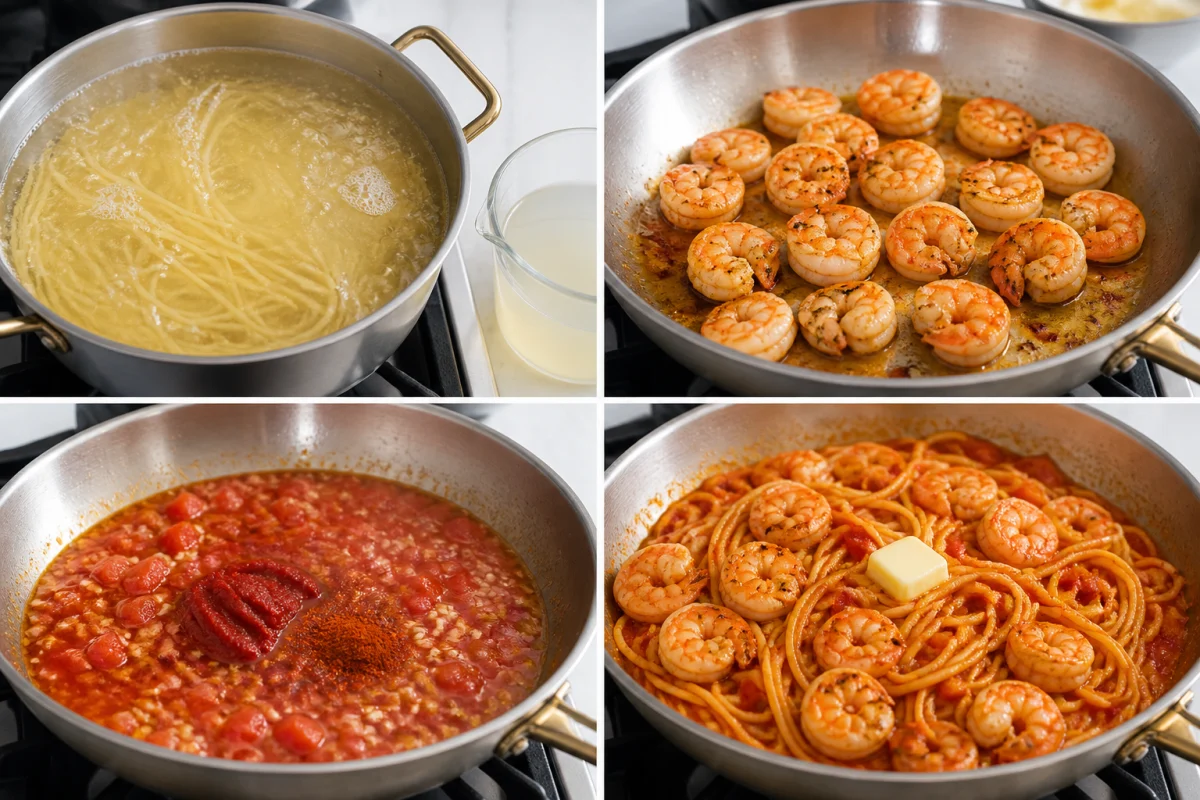
Fill a large pot with water and add enough salt that when you taste it, it reminds you of the ocean—this seems like a lot but pasta absorbs salt as it cooks and needs this level of seasoning to taste good. Bring the water to a rolling boil over high heat, then add your spaghetti. Stir immediately so the noodles don't stick together in a clump at the bottom. Cook according to package directions until al dente, which means tender but still with a slight bite in the center when you test a strand. Before draining, scoop out about a quarter cup of the starchy pasta cooking water and set it aside in a mug or small bowl. Drain the pasta in a colander but don't rinse it, because you want that starch coating to help sauce stick later.
Preparing the shrimp:
While your pasta water is heating up, pat your shrimp dry with paper towels if they're wet, which helps them sear properly instead of steaming. Season them lightly with a pinch of salt and some paprika on both sides. Set a large skillet or sauté pan over medium-high heat and add your two tablespoons of olive oil, letting it heat for about 30 seconds until it shimmers across the pan. Add your seasoned shrimp in a single layer without crowding them, working in batches if needed so they have space. Cook for about 1 to 2 minutes on the first side without moving them around, letting them develop a nice sear and turn pink. Flip them over and cook another minute or two on the second side until they're pink throughout and just cooked through. Immediately remove the cooked shrimp from the pan and set them aside on a plate so they don't continue cooking and get rubbery.
Building the sauce:
In that same pan with all those tasty shrimp bits stuck to the bottom, add your minced garlic. If the pan seems dry, add a tiny drizzle more olive oil. Sauté the garlic over medium heat for about 30 seconds to a minute, stirring constantly until it becomes fragrant and just barely starts turning golden. Don't let it burn or it'll taste bitter and ruin everything. Add your diced tomatoes and tomato paste, stirring everything together to combine. Sprinkle in your black pepper, remaining paprika, salt, and that optional teaspoon of sugar if you're using it. Stir well and let this mixture cook for about 3 to 4 minutes, stirring occasionally, until the tomatoes break down slightly and the sauce starts looking more cohesive instead of just chunks of tomato floating in oil.
Combining everything:
Pour in your reserved pasta water and stir it into the tomato sauce, watching as the starch helps everything emulsify into a silky mixture that coats the back of your spoon. Let this simmer for another minute or two until it thickens slightly. Add your drained spaghetti directly to the pan with the sauce and use tongs or a pasta fork to toss everything together, lifting and mixing until every strand gets coated with that garlicky tomato sauce. If you're using butter, add it now and toss again until it melts and incorporates, making everything glossy and rich. Return your cooked shrimp to the pan and gently fold them in, just warming them through without cooking them further. Taste the pasta and adjust seasoning with more salt or pepper if needed.
Plating and serving:
Use tongs to twirl portions of spaghetti onto plates or into shallow bowls, making sure each serving gets plenty of shrimp and sauce instead of some people getting all pasta while others get all shrimp. Finish with an extra grind of black pepper over the top and serve immediately while everything is hot and the shrimp are tender.

Things Worth Knowing

Removing the shrimp from the pan after their initial cooking prevents them from becoming tough and rubbery while the sauce simmers. Using the same pan for shrimp and sauce builds flavor as those browned bits left behind from the shrimp dissolve into the tomatoes and garlic. Pasta water is crucial for creating sauce that actually clings to noodles instead of pooling at the bottom of your bowl.

The first time I made this, I left the shrimp in the pan while building the sauce thinking it would save time and dishes. By the time everything was done, the shrimp had cooked for like ten minutes total and turned into these tough little rubber balls that were hard to chew. Now I always take them out after their initial sear and add them back at the very end just to warm through, which keeps them tender and succulent.

I used to skip reserving pasta water because it seemed fussy and unnecessary, just draining all the pasta water down the sink. My sauce would never coat the noodles properly, just sliding off and pooling at the bottom while the pasta sat there relatively naked. That starchy pasta water is what makes restaurant pasta so much better than home cooking for most people—it emulsifies the sauce and helps it cling to every noodle instead of staying separated.

The sugar in the tomato sauce seemed weird when I first encountered it in Italian recipes, like why would you add sugar to savory food. But tomatoes can be really acidic depending on the variety and time of year, and that little bit of sugar balances the acidity without making the sauce taste sweet. It just tastes more rounded and complete instead of harsh and sharp. I've made this both ways and the version with sugar consistently tastes better to everyone who tries it.

Drying the shrimp before cooking them makes more difference than you'd think. Wet shrimp steam instead of searing, which means they don't develop that nice golden color or caramelized flavor on the outside. Taking thirty seconds to pat them dry with paper towels gives you way better results with minimal extra effort.

The garlic timing is crucial because garlic burns quickly and burnt garlic tastes awful and bitter. I scorched it once when I got distracted checking my phone, and the whole dish tasted off with that unpleasant burnt garlic undertone ruining the sauce. Now I stand there and watch it carefully for that brief sauté, refusing to multitask until the garlic is safely mixed into the tomatoes.

Serving This Dish

Serve this shrimp spaghetti in shallow bowls or on plates while everything is still hot from the pan, when the shrimp are tender and the sauce is at peak glossiness. This works perfectly for weeknight dinners when you need something fast that feels special, or for date nights at home when you want to impress without spending hours cooking. Set out extra black pepper and red pepper flakes on the side for people who want more heat. A simple green salad dressed with lemon vinaigrette and some crusty bread for soaking up extra sauce round out the meal without requiring much additional work. This feeds two to three people depending on appetites—two hungry adults will polish off the whole thing, while three normal eaters might have modest portions.

For dinner parties, this scales up easily by just multiplying ingredients and using a bigger pan. The quick cooking time means you can make it while guests are already at your house without disappearing into the kitchen for an hour. The combination of shrimp, garlic, and tomatoes smells amazing while cooking, making everyone hungry and ready to eat before you even serve it.

The flavors work year-round but feel especially right during summer when fresh tomatoes are at their peak and nobody wants heavy, rich food. Light enough for warm weather but substantial enough to satisfy, hitting that perfect balance between filling and refreshing. Each twirl of pasta gives you tender shrimp, garlicky tomato sauce, and al dente noodles all together in one bite.

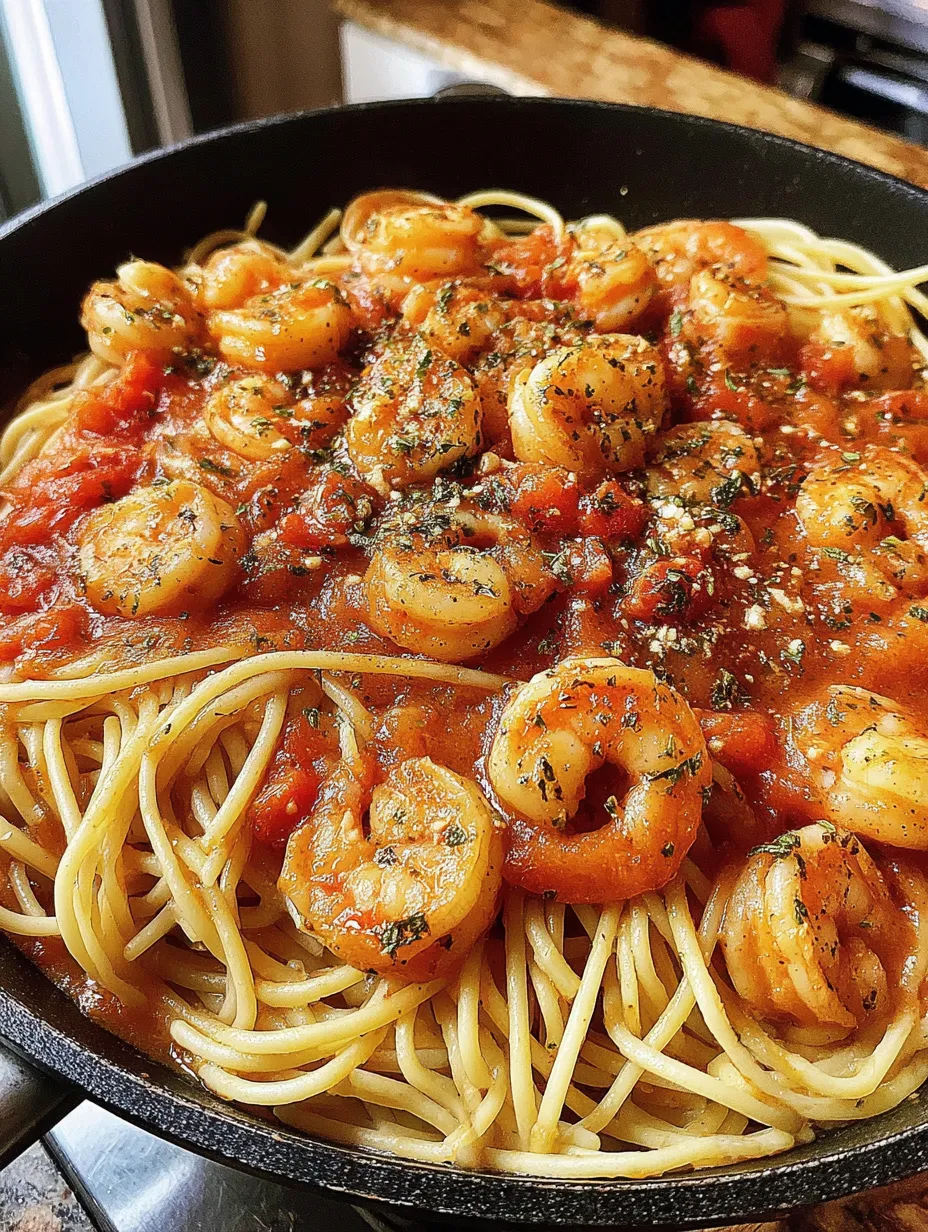
This is one of those meals that looks impressive on the plate but comes together so fast that you barely feel like you cooked. The bright red sauce with pink shrimp and golden garlic looks vibrant and appetizing, suggesting way more effort than actually went into making it. Perfect for when you want to seem like a good cook without actually working that hard.

Different Ways to Try It

  • Add red pepper flakes or fresh chili to the garlic for spicy shrimp pasta with more heat throughout.
  • Throw in some white wine before adding tomatoes for more complex, restaurant-style sauce with deeper flavor.
  • Use cherry tomatoes halved instead of diced tomatoes for sweeter, more concentrated tomato flavor.
  • Add fresh basil torn at the end for herby brightness that screams Italian cuisine.
  • Mix in some heavy cream after the tomatoes for pink sauce that's richer and more indulgent.
  • Try linguine or fettuccine instead of spaghetti for different noodle shapes that hold sauce differently.
  • Add capers and olives for a puttanesca-style variation with briny, salty elements.
  • Squeeze fresh lemon juice over the finished pasta for bright acidity that enhances the shrimp.

Keeping It Fresh

Leftover shrimp pasta keeps in the refrigerator for up to 2 days stored in an airtight container, though the shrimp will continue cooking slightly as it sits and won't be quite as tender as fresh. Reheat gently in a skillet over low heat with a splash of water or broth to loosen the sauce, or microwave for about a minute stirring halfway through. Don't reheat too aggressively or the shrimp will turn rubbery and tough. This doesn't freeze well because shrimp gets weird and mushy when frozen and thawed in cooked dishes, so only make what you'll eat within a couple days. The sauce can be made ahead and refrigerated for up to 3 days, then just cook fresh shrimp and pasta when you're ready to eat for better texture all around.

Spaghetti with Garlic Tomato Shrimp Pin it
Spaghetti with Garlic Tomato Shrimp | recipesbyclare.com

I've made this garlic tomato shrimp spaghetti countless times since figuring out how easy and delicious it is for quick weeknight dinners. There's something really satisfying about seafood pasta that comes together in twenty minutes but tastes like something from an Italian restaurant where you'd pay twenty-five dollars a plate. The combination of tender shrimp, garlicky tomato sauce, and perfectly cooked spaghetti hits all the right notes without being heavy or overwhelming like cream-based pasta can be. My family requests this regularly, which I consider a win since it's one of the healthier dinners I make with actual vegetables and lean protein instead of just carbs and cheese. I love that it uses mostly pantry staples plus a bag of frozen shrimp from the freezer, making it feasible even when I haven't been grocery shopping in a week. This has earned its spot in my regular rotation, joining that small group of meals I can make without thinking that consistently turn out well and make everyone happy!

Frequently Asked Questions

→ Can I use frozen shrimp?
Yes! Just make sure to thaw them completely and pat them dry with paper towels before cooking. Wet shrimp won't sear properly.
→ What if I don't have fresh garlic?
You can use about 1 to 1½ teaspoons of garlic powder in a pinch, but fresh garlic really makes this dish shine. It's worth it if you can get it.
→ Can I make this with a different pasta?
Absolutely! Linguine, fettuccine, or even penne would work great. Just adjust the cooking time based on what the package says.
→ How do I know when shrimp are done?
They'll turn from gray to pink and curl into a C shape. If they curl into a tight O, they're overcooked. It only takes 1-2 minutes per side.
→ Can I add vegetables to this?
Sure! Spinach, cherry tomatoes, or bell peppers would all be tasty additions. Just toss them in when you're making the sauce.
→ Is the sugar really necessary?
It depends on your tomatoes. If they taste really acidic or sharp, a little sugar helps balance it out. Taste your sauce and decide.

Garlic Tomato Shrimp Spaghetti

Juicy shrimp and spaghetti in a rich garlic tomato sauce. Quick weeknight dinner that tastes like it came from a restaurant.

Prep Time
15 Minutes
Cook Time
20 Minutes
Total Time
35 Minutes

Category: Evening Meals

Difficulty: Intermediate

Cuisine: Italian

Yield: 3 Servings

Dietary: ~

Ingredients

→ For the Pasta

01 250g spaghetti
02 Salt for the pasta water

→ For the Shrimp Sauce

03 300g shrimp, peeled and deveined
04 2 tbsp olive oil
05 4 to 5 garlic cloves, minced
06 1 cup diced tomatoes (fresh or canned works)
07 2 tbsp tomato paste
08 1 tsp paprika
09 1 tsp black pepper
10 Salt to taste
11 1 tsp sugar (if your tomatoes are too acidic)
12 ¼ cup reserved pasta water
13 1 tbsp butter (optional but recommended)

Instructions

Step 01

Bring a big pot of salted water to a boil. Add your spaghetti and cook until it's al dente, following the package directions. Before you drain it, scoop out about a quarter cup of the pasta water and set it aside. Drain the rest.

Step 02

Heat the olive oil in a large pan over medium-high heat. Add your shrimp and season with a pinch of salt and some paprika. Cook for 1 to 2 minutes on each side until they turn pink and opaque. Take them out of the pan and set them aside on a plate.

Step 03

Using the same pan with all those good shrimp flavors, toss in your minced garlic and cook it for about 30 seconds until it smells amazing. Add the diced tomatoes and tomato paste, then season with black pepper, paprika, salt, and a teaspoon of sugar if your tomatoes taste too sharp.

Step 04

Pour in a splash of that reserved pasta water and let everything simmer together for a few minutes. Stir occasionally until the sauce thickens up nicely.

Step 05

Add your cooked spaghetti right into the sauce and toss everything together until the pasta is coated evenly. Stir in the butter if you're using it for extra richness.

Step 06

Return the cooked shrimp to the pan and gently mix them into the pasta. Plate everything up while it's hot and finish with an extra crack of black pepper on top.

Notes

  1. Don't overcook the shrimp or they'll get rubbery. They only need about 2 minutes per side.
  2. The pasta water helps the sauce stick to the spaghetti, so don't skip saving some.
  3. Fresh tomatoes are great when in season, but canned work perfectly fine year-round.
  4. The butter at the end adds a nice silky texture to the sauce.
  5. This dish is best served immediately while everything is hot and fresh.

Tools You'll Need

  • Large pot for pasta
  • Large skillet or pan
  • Colander for draining
  • Tongs or pasta fork
  • Measuring cups and spoons

Allergy Information

Please check ingredients for potential allergens and consult a health professional if in doubt.
  • Contains shellfish (shrimp)
  • Contains gluten (spaghetti)
  • Contains dairy (butter, if used)